
 Image 1 of 1
DESCRIPTION
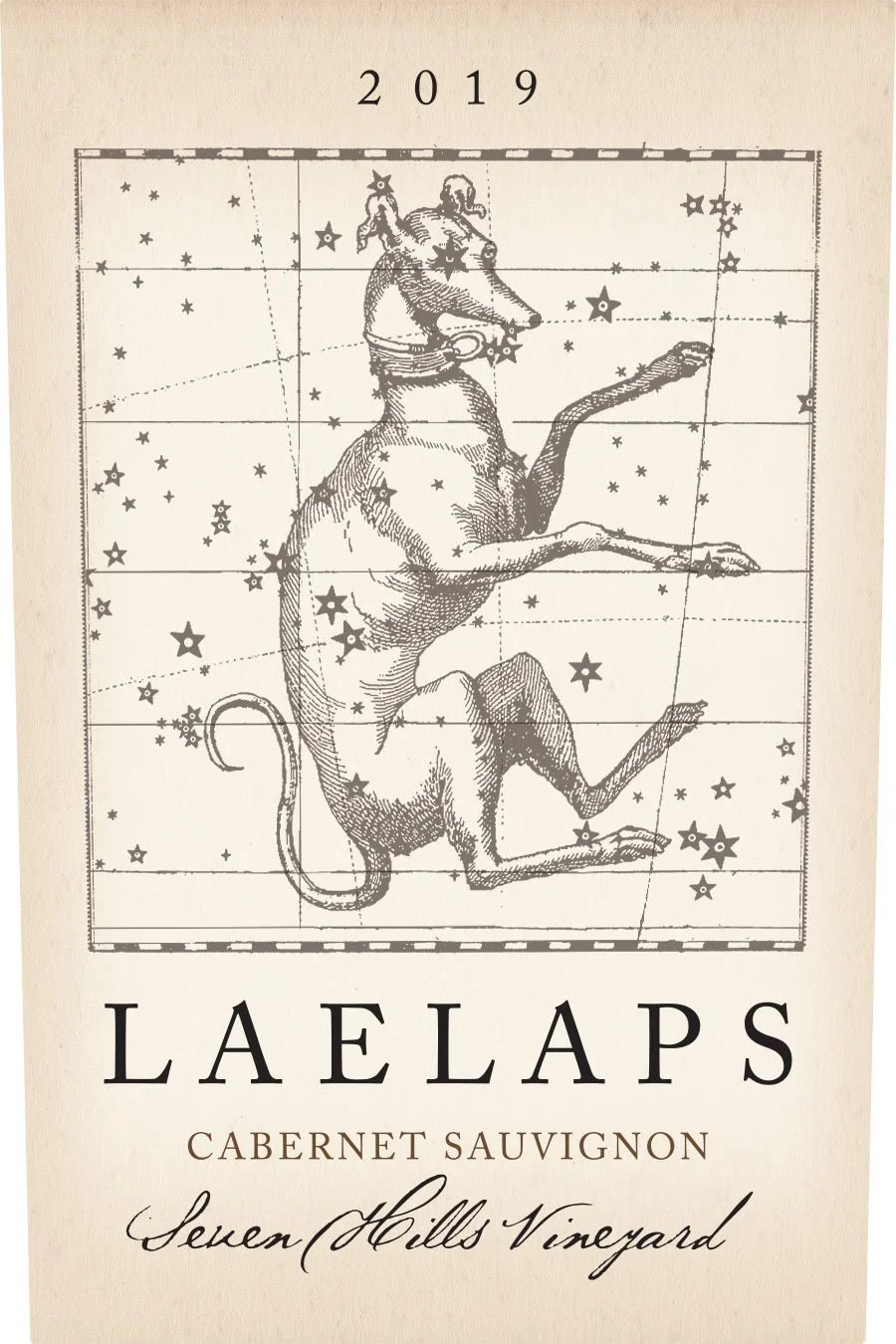
The Laelaps Seven Hills Vineyard Cabernet has always presented a more fruit forward and new world palate. Ripe berry fruit, a ribbon of acidity shows through on this medium to full- bodied wine. Nicely balanced with a long finish. This will drink well now and will age gracefully up to 10 years.
VINEYARD
The renowned Seven Hills Vineyard is located on the Oregon side of the Walla Walla Valley appellation. Wine & Spirits Magazine named it one of the ten great vineyards of the world. The soils are predominantly silt loam, which is wind-blown glacial loess that is geologically very young and full of minerals. It is two to four feet deep atop coarser layers of sand and gravel that were deposited by catastrophic, glacial floods that swept through this region about 15,000 years ago. The result is a complex mix of minerals, lending a corresponding complexity to the wines.
WINE MAKING
We once again brought in nearly perfect fruit in late October. As a rule – we meticulously sorted and settled in for a 4 day cold soak, followed by a long, slow, cool fermentation. One racking off the lees in June, the wine was then barreled with 66% new French Oak with 50% ‘sur lie’. It was bottled in August for a 22 month elevage.
DESCRIPTION
The Laelaps Seven Hills Vineyard Cabernet has always presented a more fruit forward and new world palate. Ripe berry fruit, a ribbon of acidity shows through on this medium to full- bodied wine. Nicely balanced with a long finish. This will drink well now and will age gracefully up to 10 years.
VINEYARD
The renowned Seven Hills Vineyard is located on the Oregon side of the Walla Walla Valley appellation. Wine & Spirits Magazine named it one of the ten great vineyards of the world. The soils are predominantly silt loam, which is wind-blown glacial loess that is geologically very young and full of minerals. It is two to four feet deep atop coarser layers of sand and gravel that were deposited by catastrophic, glacial floods that swept through this region about 15,000 years ago. The result is a complex mix of minerals, lending a corresponding complexity to the wines.
WINE MAKING
We once again brought in nearly perfect fruit in late October. As a rule – we meticulously sorted and settled in for a 4 day cold soak, followed by a long, slow, cool fermentation. One racking off the lees in June, the wine was then barreled with 66% new French Oak with 50% ‘sur lie’. It was bottled in August for a 22 month elevage.